 en
en




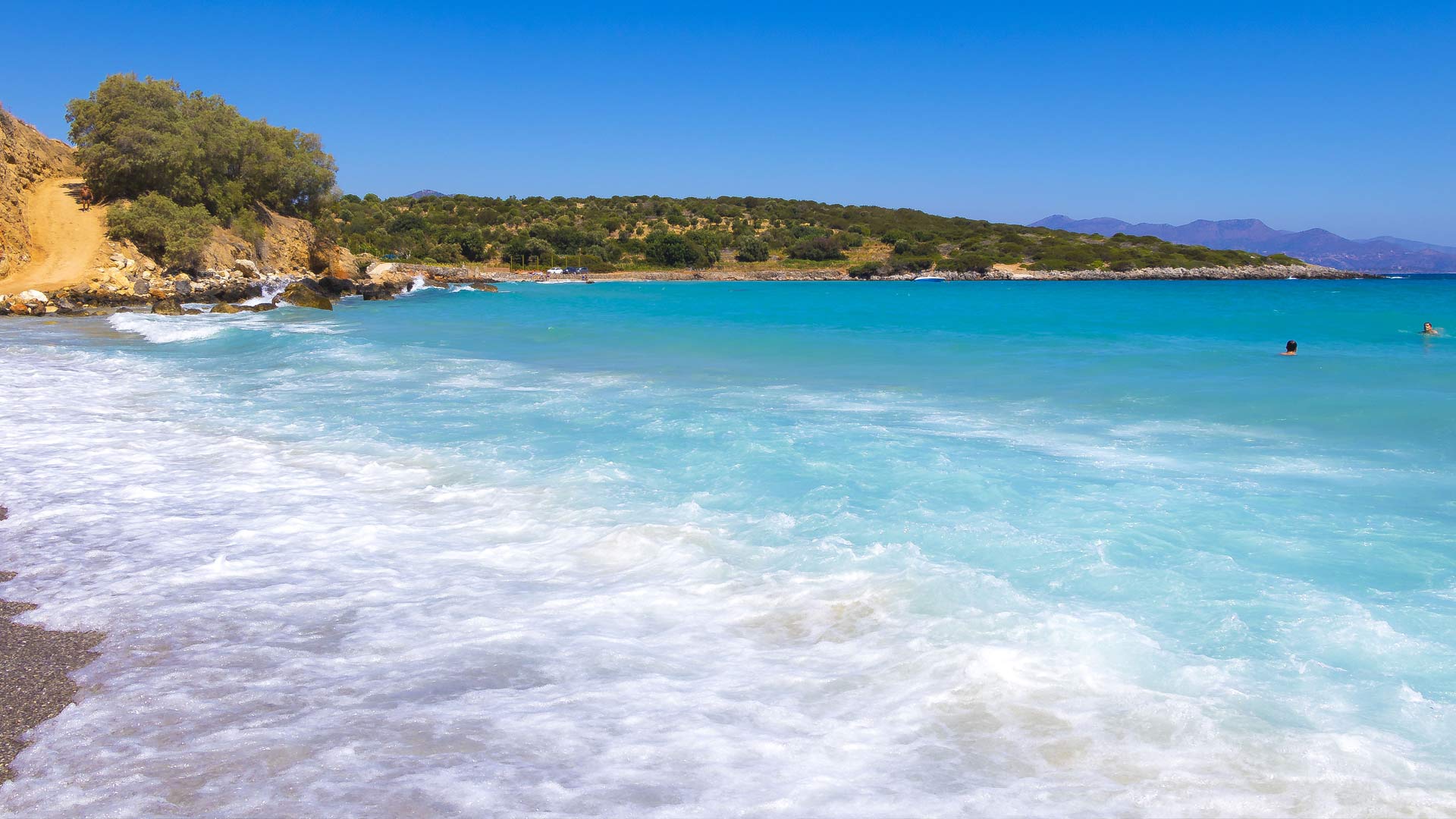
There is nothing to look for and not find in Crete. Unbelievable natural riches, unique cultural monuments from the lengths and backs of history, gourmet treasures and modern infrastructure, but above all the authentic soul of the hospitable Greek.
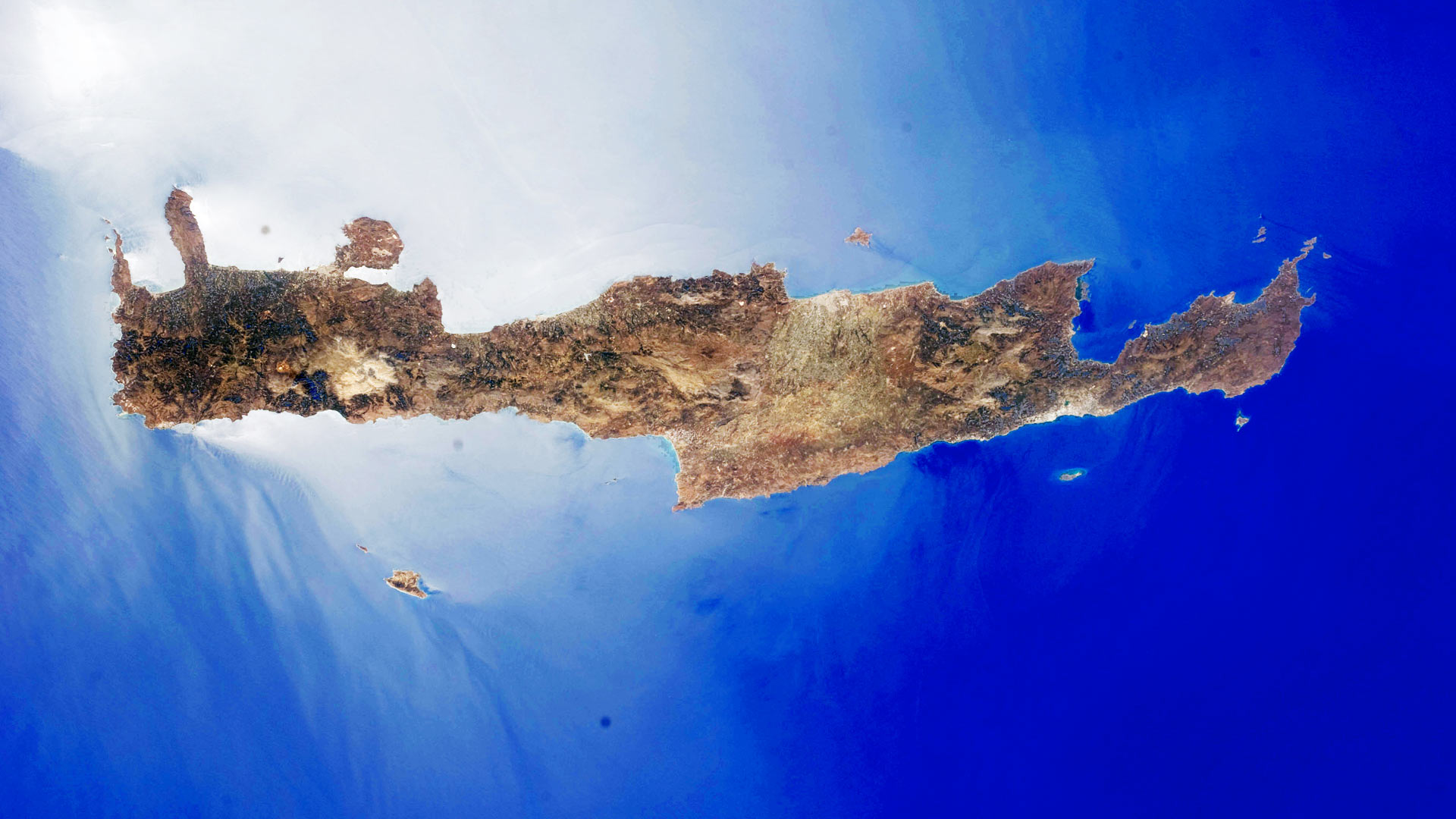
Crete is a unique and unique place. It is the largest island in Greece and the fifth largest in the Mediterranean. It is only 300 kilometers from Africa and its total coastline reaches 1,046 kilometers. To the north it is covered by the Cretan Sea, to the south by the Libyan Sea, to the east by the Karpathian Sea and by the west by Myrtoos. Her main cities are Heraklion, Chania, Rethymno, Agios Nikolaos, Ierapetra and Sitia. The great island of Crete has been a crossroads of Europe, Asia and Africa since ancient times, being a point of contact and feedback for major cultures. The influences he has received appear in the scattered archaeological sites as well as in the culture of its inhabitants.
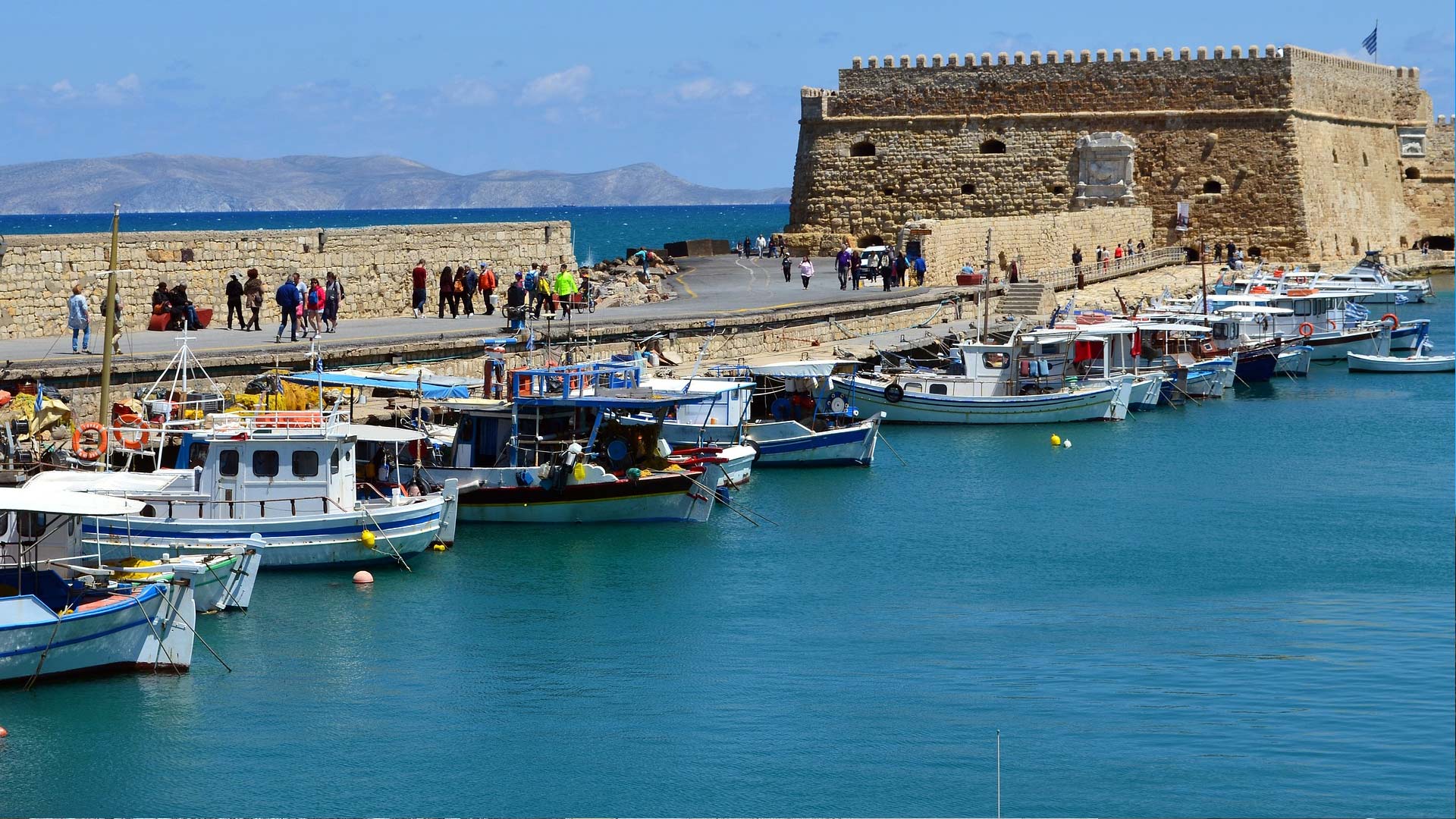
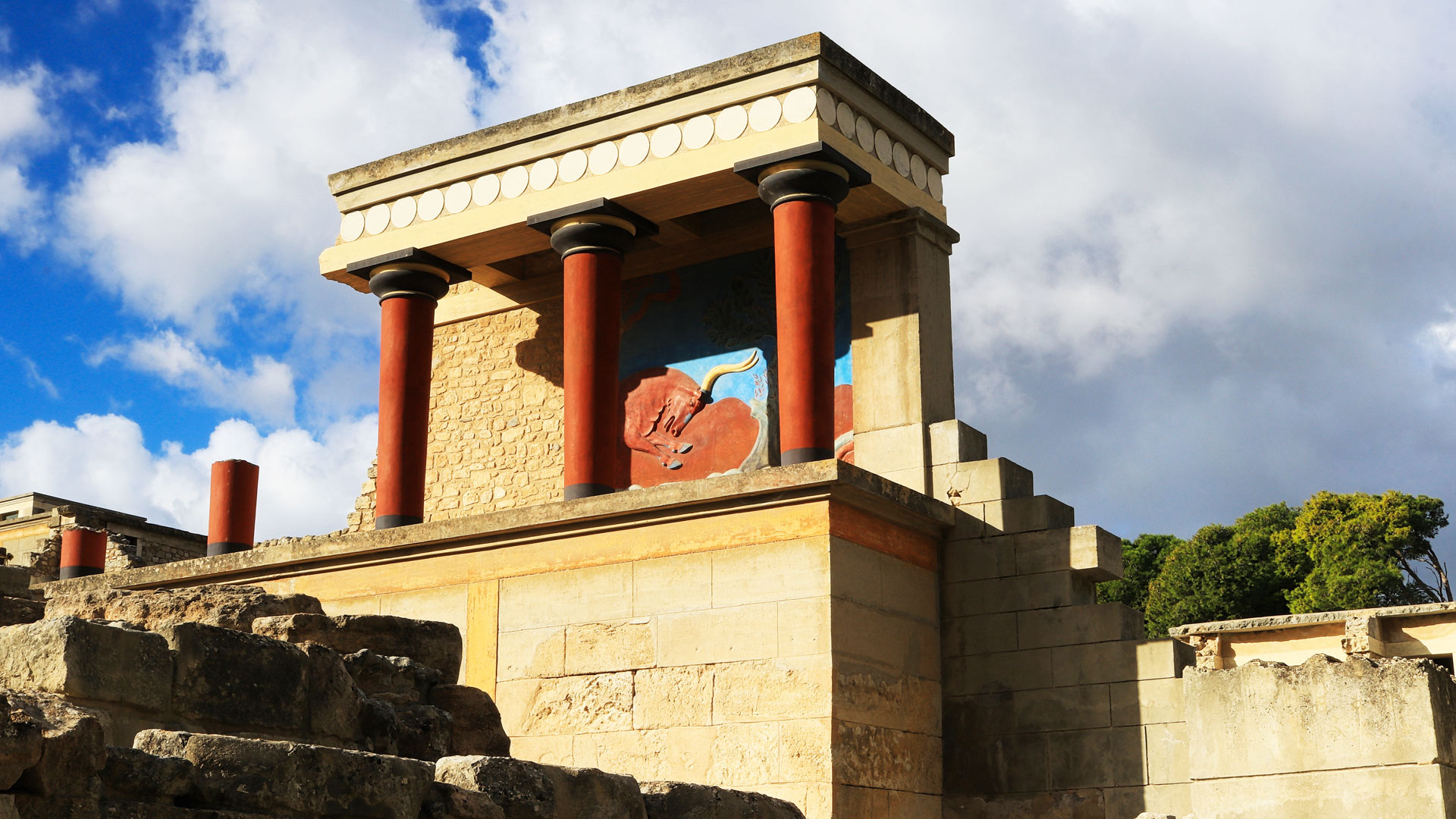
Crete is the land that gave birth and nurtured the Father of the gods Zeus and the cradle of pre-Hellenic Minoan civilization. Here, every corner has been celebrating brilliant monuments of all historical periods (palatial buildings, prominent ancient cities, carved tombs, Byzantine churches and monasteries, Venetian castles and Ottoman knights).
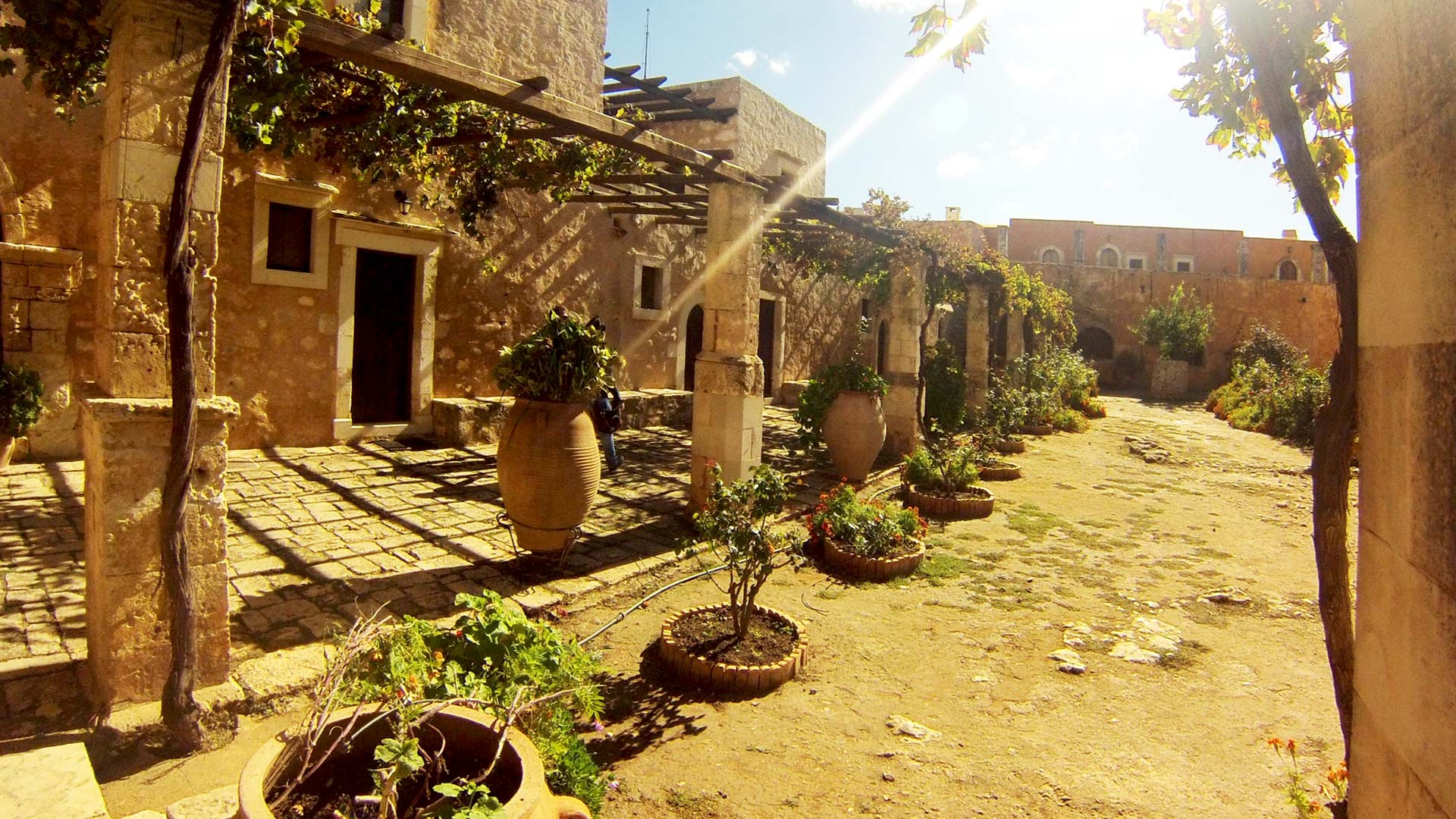
On this island, the Apostle Titus chased some of the early Christians. The monasteries of Crete are indissolubly linked to the history of the island as they have played an important role in the nation's critical moments. The land of this place is watered with blood of many heroes in historical battles during its long history, ancient and new.
In Crete, great painters, scholars, poets, such as Dominikos Theotokopoulos, Vincentzos Kornaros and Nikos Kazantzakis, politicians such as Eleftherios Venizelos and singers such as Nikos Xylouris, as well as great musicians, master of lyre, lute, violin and the bulgarians who enlightened life, love and death with music, dance, lyre and mantinades.
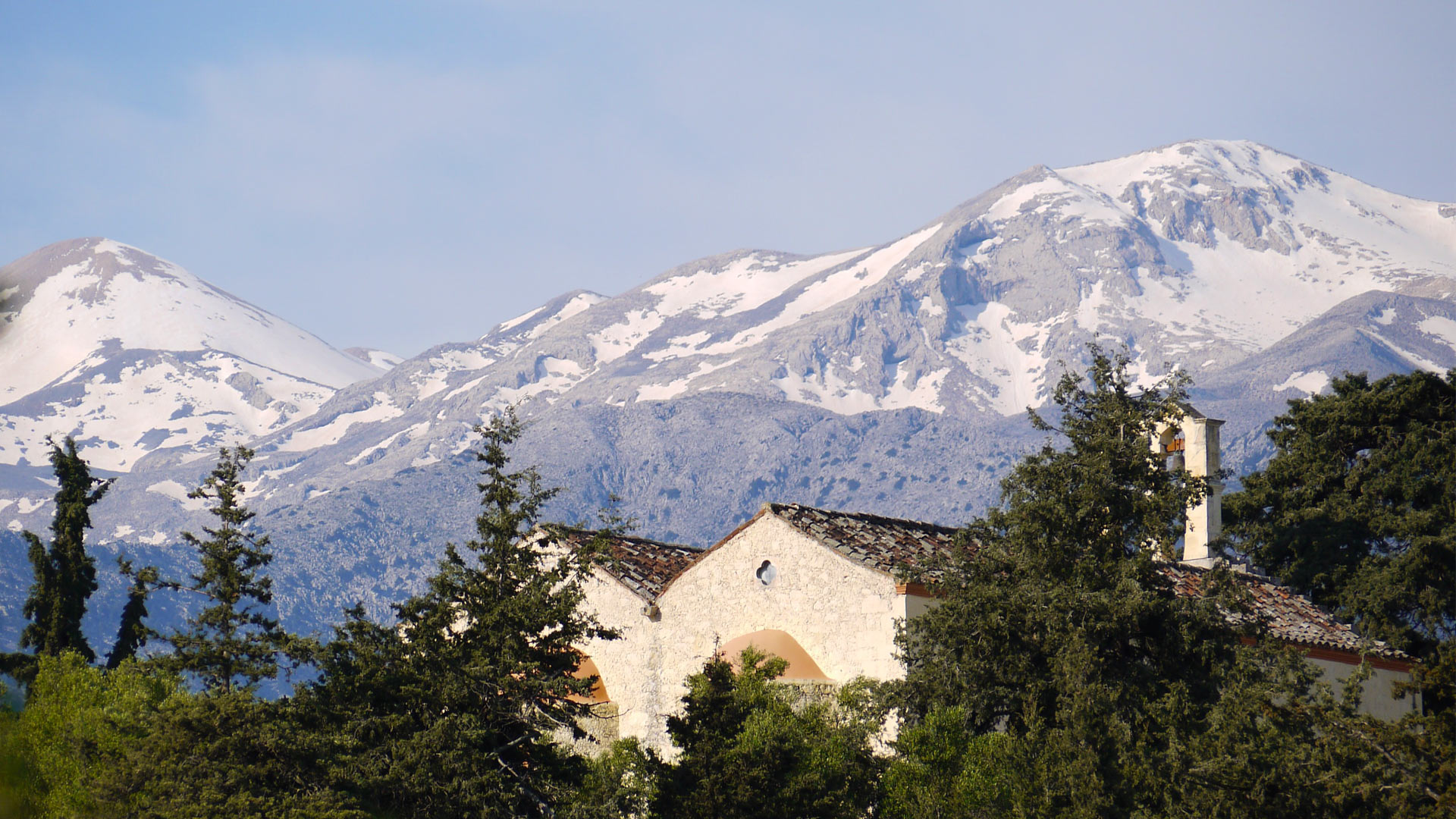
What makes Crete stand out is the unique combination of natural wealth, history, culture and tradition. From the imposing palaces of Knossos and Phaistos to the steep ravines and wild beauty in the gorge of Samaria, which is the longest gorge in Europe and from the tranquil and deserted beaches of the Libyan Sea to the bustling and crowded beaches on its northern coast island, Crete invites its visitor to explore it. Contrasts are the norm in this island, both in the environment and in its people. Proud, uncompromising but warm, friendly and very hospitable. Cretan hospitality is famous all over the world, and only a short while can you experience this feeling.
Crete is the land that gave birth and nurtured the Father of the gods Zeus and the cradle of pre-Hellenic Minoan civilization. Here, every corner has been celebrating brilliant monuments of all historical periods (palatial buildings, prominent ancient cities, carved tombs, Byzantine churches and monasteries, Venetian castles and Ottoman knights).
On this island, the Apostle Titus chased some of the early Christians. The monasteries of Crete are indissolubly linked to the history of the island as they have played an important role in the nation's critical moments. The land of this place is watered with blood of many heroes in historical battles during its long history, ancient and new.
In Crete, great painters, scholars, poets, such as Dominikos Theotokopoulos, Vincentzos Kornaros and Nikos Kazantzakis, politicians such as Eleftherios Venizelos and singers such as Nikos Xylouris, as well as great musicians, master of lyre, lute, violin and the bulgarians who enlightened life, love and death with music, dance, lyre and mantinades.
What makes Crete stand out is the unique combination of natural wealth, history, culture and tradition. From the imposing palaces of Knossos and Phaistos to the steep ravines and wild beauty in the gorge of Samaria, which is the longest gorge in Europe and from the tranquil and deserted beaches of the Libyan Sea to the bustling and crowded beaches on its northern coast island, Crete invites its visitor to explore it. Contrasts are the norm in this island, both in the environment and in its people. Proud, uncompromising but warm, friendly and very hospitable. Cretan hospitality is famous all over the world, and only a short while can you experience this feeling.